Apple’s next-generation MacBook Pro upgrade will not arrive this year. The company is reportedly delaying the launch of the M5 MacBook Pro to 2026, shifting expectations for one of its most anticipated Mac refreshes. The decision follows ongoing supply chain challenges and the need to optimize production for the high-end M5 Pro and M5 Max chips that will power the new models.
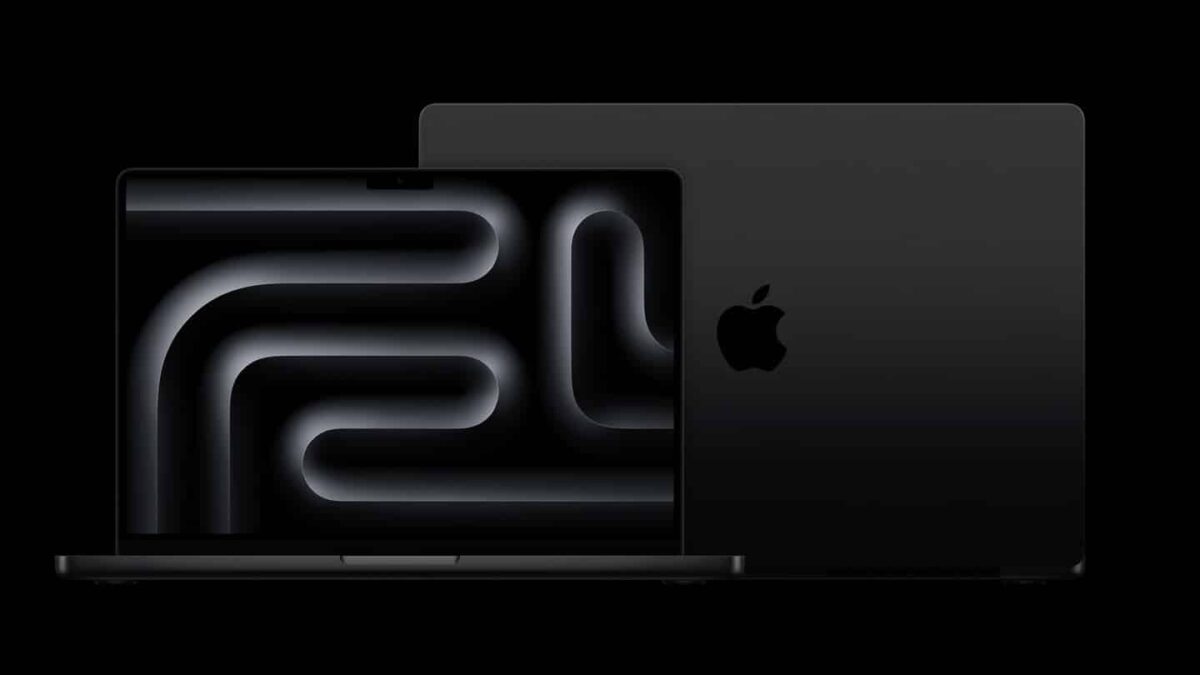
This change represents a noticeable shift in Apple’s usual upgrade cycle for its professional laptops. In recent years, the company has moved steadily through annual or near-annual updates for MacBook Pro models with each new Apple Silicon generation. The M5 delay breaks that rhythm, likely as Apple aims to ensure that performance gains and hardware refinements are significant enough to justify the upgrade for professional users.
The M5 MacBook Pro is expected to deliver improved processing power, graphics performance, and battery efficiency compared to the M4 lineup, which debuted earlier this year. While the external design will remain largely unchanged, the new chips should bring measurable improvements for intensive workflows like video editing, 3D rendering, and software development. However, this release is now shaping up to be a transitional step rather than a radical redesign.
Apple’s more ambitious overhaul of the MacBook Pro is now believed to be planned for late 2026 or early 2027. That update is expected to introduce OLED displays, a slimmer chassis, reduced bezels, and potentially the M6 series chips. By delaying the M5 launch, Apple may be positioning it as a bridge between the current generation and this next major leap, giving its supply chain more time to stabilize and new technologies more time to mature.
For consumers, the M5 MacBook Pro delay means that those considering an immediate upgrade may look instead at the M4 models or hold out for the redesigned M6 versions. The extra wait could also give Apple more room to refine software optimizations in macOS, ensuring that the next hardware release arrives with a well-polished user experience.
(via Ming-Chi Kuo)


