When Apple unveiled the Vision Pro, immersive video was pitched as one of its defining features. The promise was clear: panoramic, high-fidelity clips that would transport viewers into sports arenas, concerts, and exotic destinations. But nearly a year later, that vision has yet to materialize at scale. Apple Vision Pro immersive video remains scarce, and according to Bloomberg’s Mark Gurman, the company is deliberately slow-rolling its rollout.

Apple has always taken a measured approach when introducing new media formats, from iTunes and Apple Music to Apple TV+. In the case of the Vision Pro, this approach seems intended to control quality and prevent flooding the platform with low-end experiences. Yet the tradeoff is that early adopters who invested thousands of dollars in the headset are left with a limited library of immersive video content. For a device positioned as the future of entertainment and productivity, the gap is increasingly noticeable.
Gurman notes that Apple’s strategy may be to build content partnerships gradually, ensuring polished productions before scaling. But this has created frustration among users who expected a richer catalog by now. Competitors in the mixed-reality space, meanwhile, have been more aggressive in pushing immersive video, raising the risk that Apple could lose momentum.
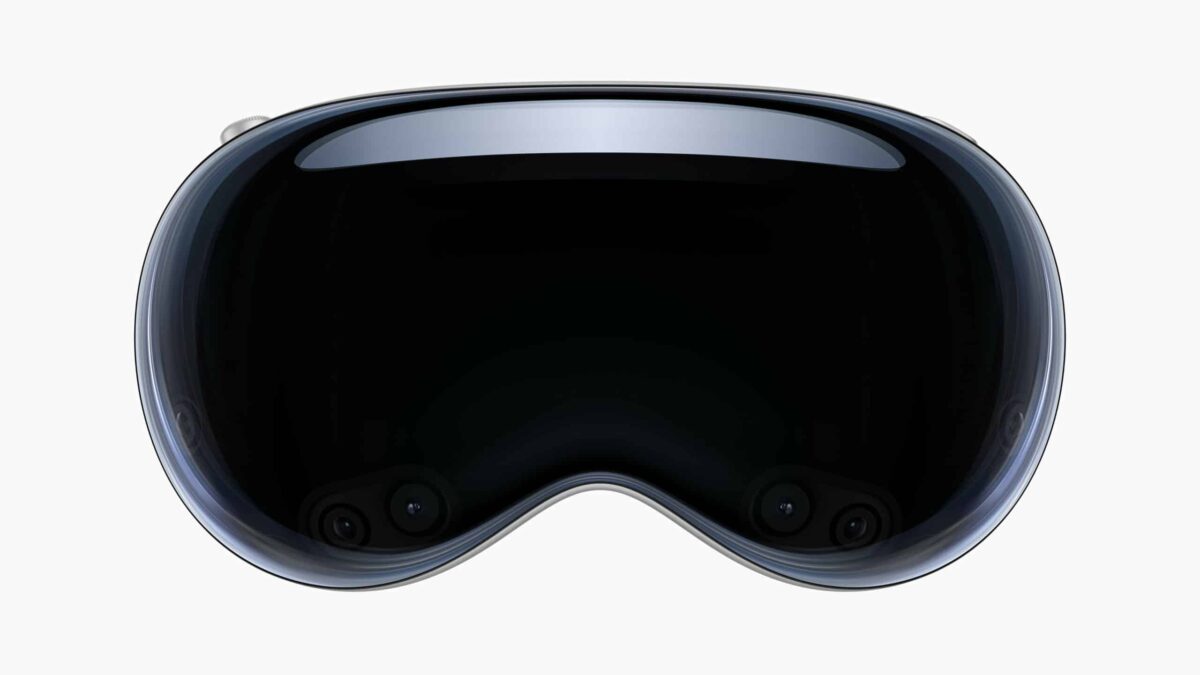
The hardware itself is not the limiting factor. Even with the Vision Pro’s current M2 chip, immersive video playback runs smoothly. Upcoming hardware refreshes, possibly with M4 or M5 chips, will further boost performance. The real bottleneck is content availability. Without a steady pipeline of immersive films, concerts, and live sports, the Vision Pro risks being seen as an impressive piece of hardware lacking everyday purpose.
This slow rollout comes at a critical time. Apple is preparing its next wave of devices, including refreshed iPads, Apple Watch models, and an updated Apple TV. The Vision Pro will inevitably share the stage, but unless immersive video takes center stage, Apple’s flagship headset could be overshadowed by more traditional product upgrades. For a device that carries the company’s boldest vision of the future, that would be a missed opportunity.
(via Bloomberg)


