Apple has filed a new patent detailing advancements to its Taptic Engine, the component that delivers precise haptic feedback across iPhone, Apple Watch, and other products. The company is continuing to refine this technology to create more lifelike sensations and expand its use cases beyond simple vibrations.
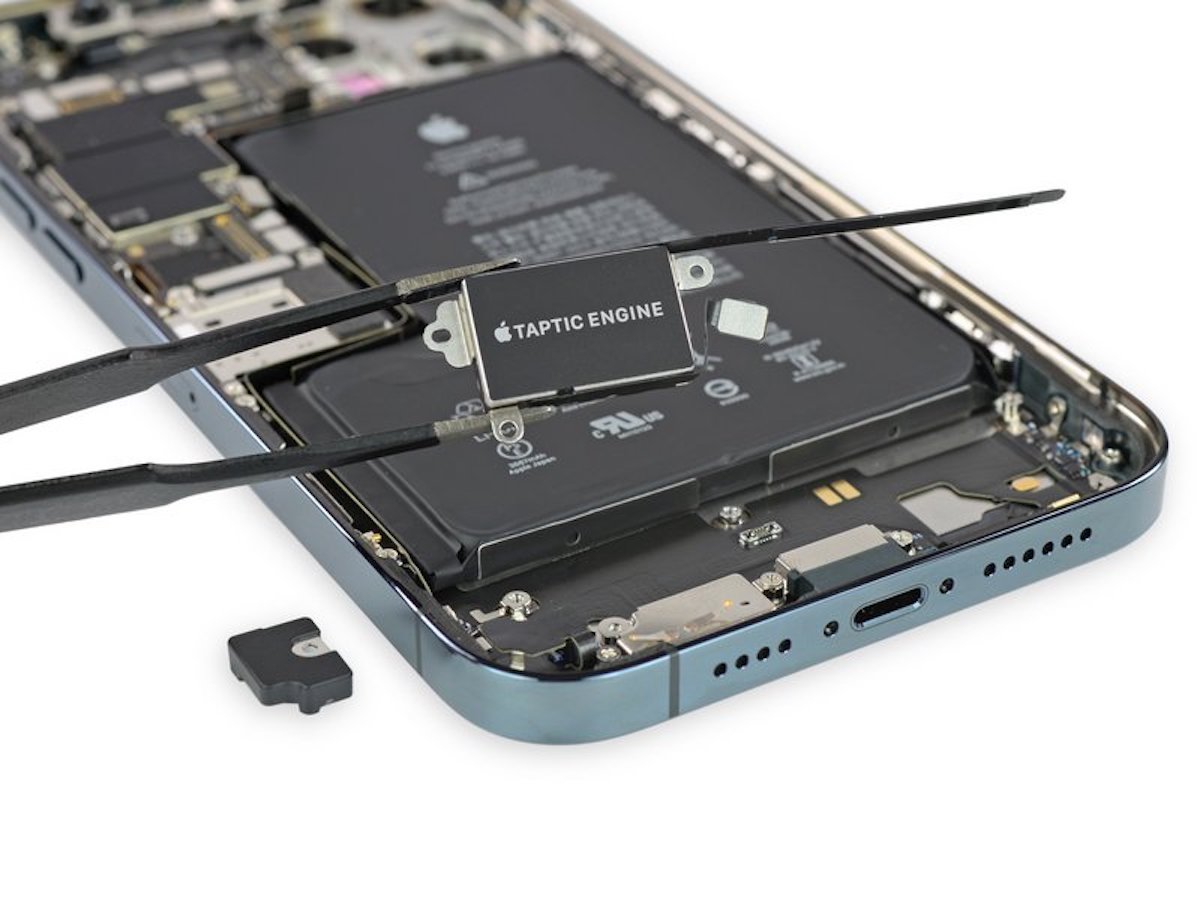
According to the patent filing, Apple’s next-generation Taptic Engine introduces a more compact design that improves efficiency while allowing for greater control over the intensity and texture of vibrations. This could enable more immersive feedback in applications like gaming, accessibility features, and system-wide interactions, where users could feel subtle differences in response depending on the action performed. Reports from MacRumors highlight that the design also emphasizes durability and energy efficiency, ensuring smoother performance without significantly affecting battery life.
Haptic feedback has long been a central part of Apple’s user experience design, from the Force Touch trackpads on MacBooks to the tap notifications on Apple Watch and the refined system gestures in iOS. The new patent suggests Apple is exploring ways to push this technology further, making it possible for future devices to replicate physical sensations with even greater realism. For example, an iPhone could simulate the feel of pressing different materials, or an Apple Watch might deliver more nuanced taps for fitness and health alerts.
Patents do not always translate into shipping features, but Apple has a track record of steadily integrating such innovations into its products. As the Taptic Engine has become a signature element that differentiates Apple hardware from competitors, an upgrade of this scale could play a major role in upcoming devices such as the iPhone 17 lineup, future MacBooks, and next-generation wearables.
If commercialized, this evolution of the Taptic Engine could also tie into Apple’s broader efforts in mixed reality and spatial computing. Delivering tactile sensations that align with virtual environments would enhance immersion in ways that purely visual and auditory feedback cannot achieve. Developers could build richer app experiences by leveraging finer-grained haptics, aligning with Apple’s focus on accessibility, gaming, and productivity.


