Apple is reportedly preparing a major silicon update for the Vision Pro headset, with supply chain sources indicating that the device will feature a next-generation R2 chip built on TSMC’s 2nm process. The move would make the Vision Pro the most advanced product in Apple’s lineup when it comes to chip manufacturing technology.
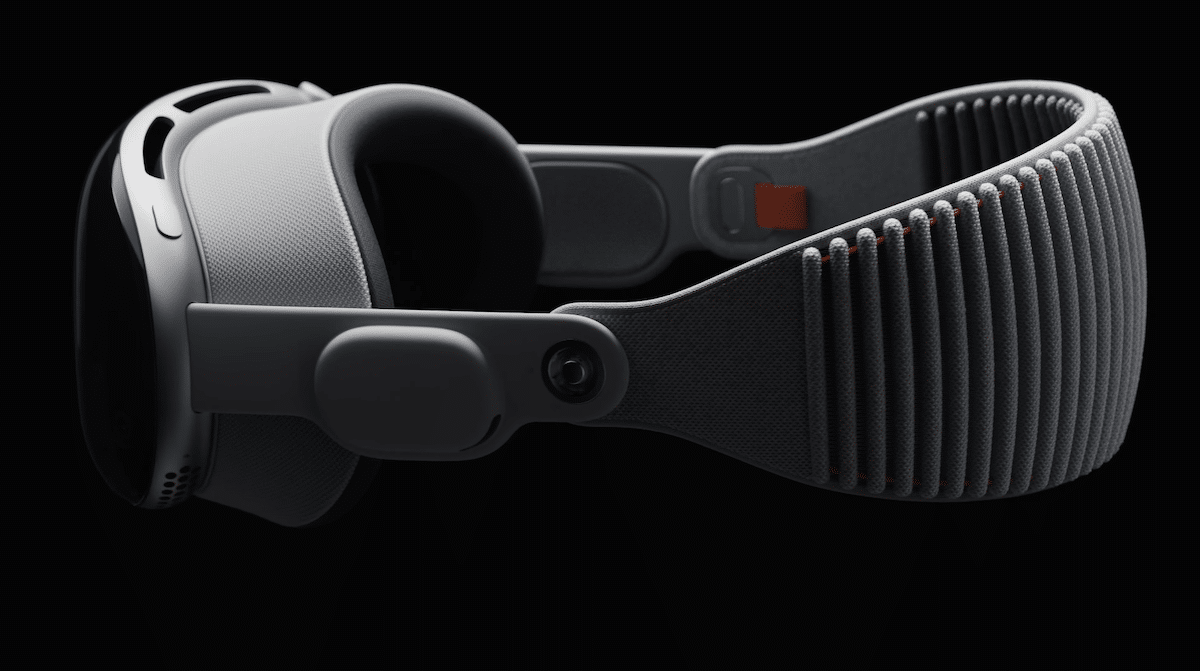
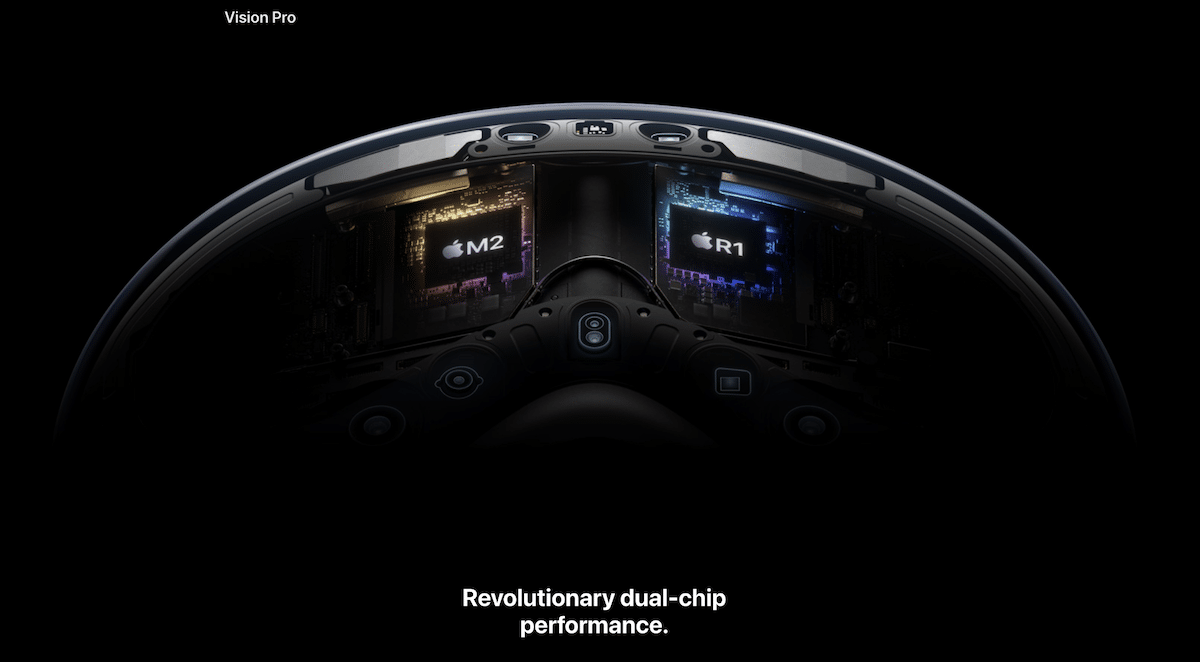
The current Apple Vision Pro relies on two processors: the M2 chip, which delivers primary computing power, and the R1 chip, which handles sensor and camera input to enable real-time responsiveness. Apple has explained that the R1 streams images to the headset’s displays within 12 milliseconds, eight times faster than the blink of an eye. Replacing that chip with a 2nm R2 would significantly boost both performance and efficiency, offering smoother input processing and reduced heat while helping the headset balance demanding workloads with battery life.
TSMC is expected to begin 2nm mass production in late 2025, with yields improving in 2026. Reports suggest Apple has already secured a large portion of the initial supply, with the R2 chip planned to debut alongside the A20 for iPhone 18 Pro and the M6 for future Macs. This reinforces Apple’s strategy of deploying its most advanced process technology across the ecosystem, from smartphones to laptops to headsets.
The Vision Pro faces unique challenges that set it apart from iPhones and Macs. The headset must manage high-resolution displays, multiple sensors, and real-time rendering in a wearable form factor without excessive power draw or thermal discomfort. A 2nm R2 chip would be designed to address these needs directly, making mixed reality a proving ground for Apple’s most ambitious silicon.
However, risks remain. Early 2nm production will carry high costs and potentially lower yields. For a device that already starts above $3,000, any additional silicon expense could make pricing even more difficult. Apple may offer a mid-cycle Vision Pro refresh in late 2025 with an M4 or M5 chip to keep the platform current, but the true generational leap is expected with R2 in 2026.
(via Commercial Times)


