Apple has paused its plans to overhaul the Vision Pro headset and is redirecting resources toward developing AI-powered smart glasses. The Vision Pro launched in 2023 at $3,499 as the company’s first mixed-reality device, but its heavy design, high price, and shortage of apps limited adoption. Apple executives have acknowledged privately that the product is overengineered and too costly to achieve mass-market success.
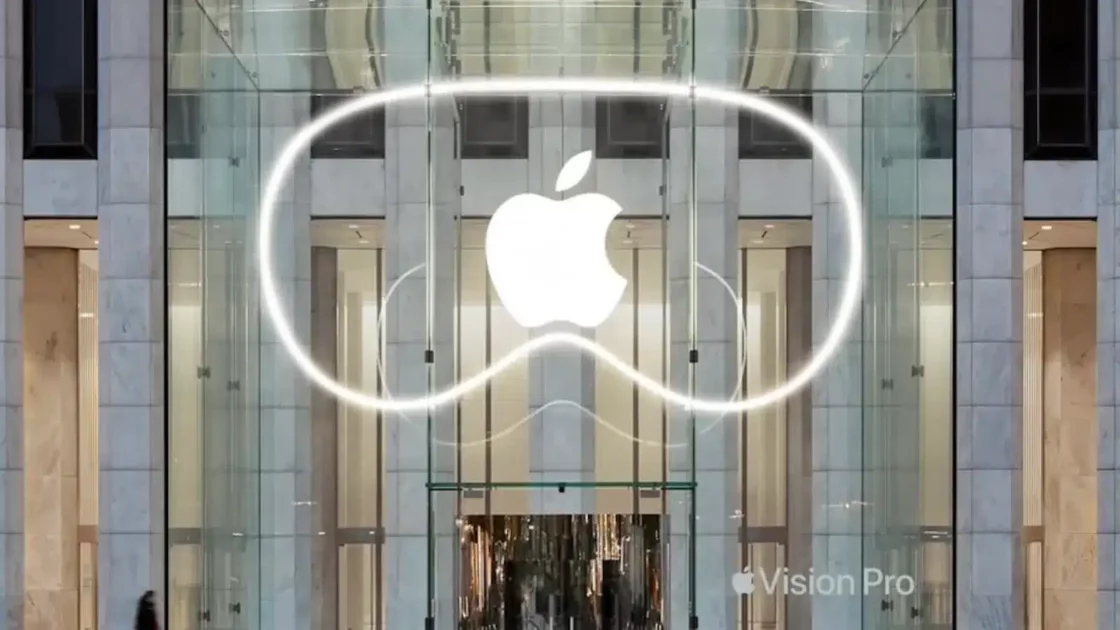
According to Bloomberg, Apple’s cheaper, lighter Vision Pro model code-named N100, which was originally planned for 2027, is no longer a priority. Instead, Apple has reassigned staff to focus on two new smart glasses projects that are designed to better compete with Meta and other rivals. This change highlights Apple’s long-term bet that glasses, rather than enclosed headsets, will eventually define the future of personal computing.
Everything new about Apple’s smart glasses
Apple is currently developing at least two types of smart glasses. The first, known internally as N50, will connect to an iPhone and will not include its own display. Apple is aiming to preview this model as soon as next year, ahead of a release in 2027. A second version will feature a built-in display and was originally planned for 2028, but development has now been accelerated.
Both glasses are expected to run on a new chip and will rely heavily on Apple Intelligence and a rebuilt Siri voice assistant. Apple is preparing to ship an upgraded Siri as early as March to support not only glasses but also upcoming speakers, displays, and other AI-focused devices.
Expected features
Apple’s smart glasses are expected to include a variety of styles and will integrate tightly with iPhone. They are designed as lighter, more practical wearables that incorporate AI-driven functionality. Based on Bloomberg’s report, expected features include:
-
Voice interaction powered by rebuilt Siri
-
Apple Intelligence integration for contextual assistance
-
Built-in speakers for music playback
-
Cameras for recording and media capture
-
Health-tracking capabilities similar to Apple Watch
-
Lightweight design with multiple style options
These capabilities align with Apple’s broader focus on on-device AI and health technologies, areas already central to Apple Watch and iPhone.
Vision Pro update plans
While the N100 overhaul has been shelved, Apple still plans a modest Vision Pro refresh later this year with an M5 chip. This model has appeared in FCC testing records, indicating launch is near. Earlier headset projects, such as tethered glasses code-named N107 that would have acted as an external display for Macs, were also cancelled.
Apple is increasingly positioning the Vision Pro for business and enterprise use, similar to how Microsoft and Google marketed their own mixed-reality headsets. However, the consumer push has been muted due to limited content, app shortages, and the isolating experience of wearing a bulky device.
Meta competition and wider industry
Meta remains the clear leader in consumer smart glasses. It launched Ray-Ban Stories in 2021, followed by Ray-Ban Meta glasses in 2023, which were a surprise hit. In 2024, Meta refreshed the lineup with better cameras, longer battery life, and sport-focused designs. The company has since launched Ray-Ban Display AI glasses and is developing a dual-display version for 2027. Notably, Meta skipped a new mixed-reality headset release this year, choosing to prioritize eyewear.
Other tech companies are also moving quickly. Amazon and Google are developing AI-driven devices, while OpenAI has partnered with former Apple design chief Jony Ive to create a new collection of hardware. Apple is now working to catch up, using its tight ecosystem integration with iPhone and Apple Silicon to differentiate its products.
Tim Cook has long argued that glasses will be superior to enclosed headsets, stating in 2016 that “few people are going to view that it’s acceptable to be enclosed in something.” The Vision Pro was developed as a compromise until the technology was ready. With advances in AI, Apple is now betting the time has come.
The company’s pivot shows that smart glasses are no longer experimental but central to its strategy. If Apple succeeds, they could eventually rival the iPhone in importance and mark the next major transition in personal computing.


1 comment