Apple’s upcoming A20 chip is set to debut in the iPhone 18 Pro, iPhone 18 Pro Max, and the first folding iPhone in September 2026. Analyst Jeff Pu from GF Securities confirms that the chip will be built using TSMC’s 2-nanometer process and will feature a major packaging redesign that integrates RAM directly into the chip.
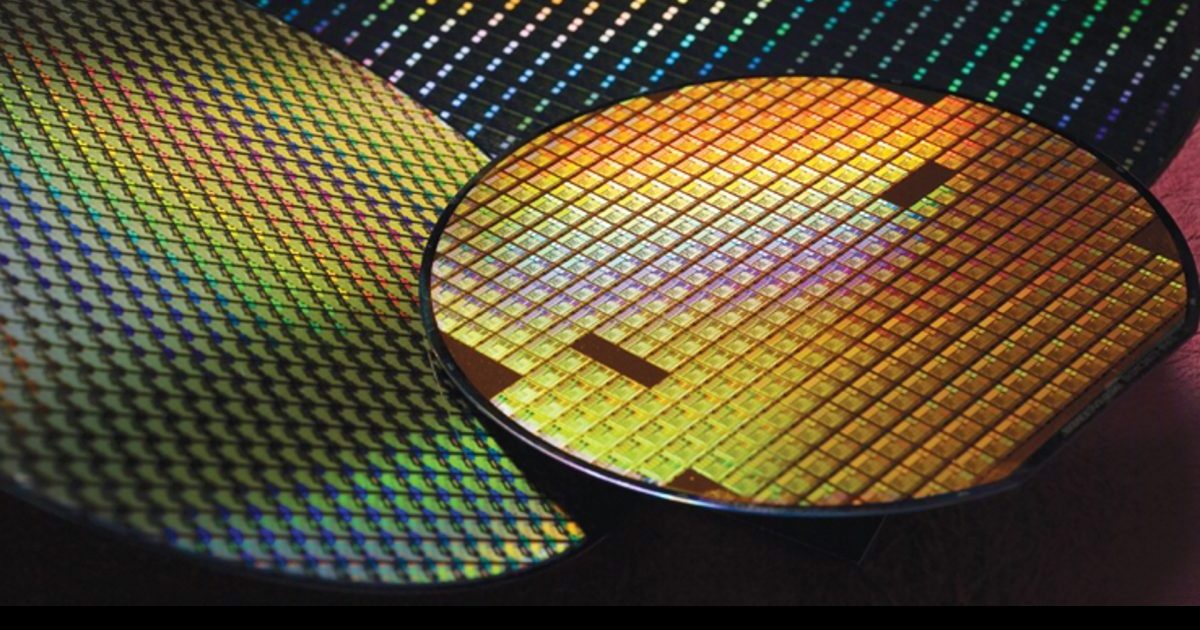
This shift marks a clear jump from the current A18 chip, which uses TSMC’s second-gen 3nm process, and the upcoming A19 expected to use the third-gen 3nm. The A20’s 2nm process is expected to deliver up to 15% better performance and 30 percent greater power efficiency compared to the A19. That means faster speeds, better thermal control, and longer battery life.
The A20 will also use TSMC’s new Wafer-Level Multi-Chip Module (WMCM) technology. Instead of keeping RAM as a separate chip, Apple will integrate it directly onto the same wafer as the CPU, GPU, and Neural Engine. This tighter integration will improve memory bandwidth and reduce latency, which should translate to faster overall performance.
Bringing the memory closer to the processing components also helps with power efficiency and heat management. The chip itself may even take up less space, potentially freeing up room inside the phone for other components or a larger battery.
Only the iPhone 18 Pro models and the folding iPhone are expected to get the A20 chip. Entry-level models like the iPhone 18 and iPhone 18e could launch later, possibly in early 2027, and may stick with older chip designs.
The A20 continues Apple’s pattern of advancing chip design year after year. With the A17 Pro using first-gen 3nm, A18 on second-gen, and A19 on third-gen, the jump to 2nm fits Apple’s usual timeline. If this trend holds, the M6 chip used in Macs and iPads will likely adopt the same 2nm tech in late 2026 or 2027.
The A20 isn’t just a spec bump. It signals major changes in performance, efficiency, and internal design for future iPhones.
(via MacRumors)


