A long-running patent battle over the Apple Watch’s blood oxygen feature has taken another turn. Masimo recently filed a lawsuit against U.S. Customs and Border Protection, accusing the agency of improperly allowing Apple to resume selling watches with the health monitoring tool enabled. Now, US Customs has asked the court to dismiss the case, arguing that Masimo is pursuing the challenge in the wrong court.
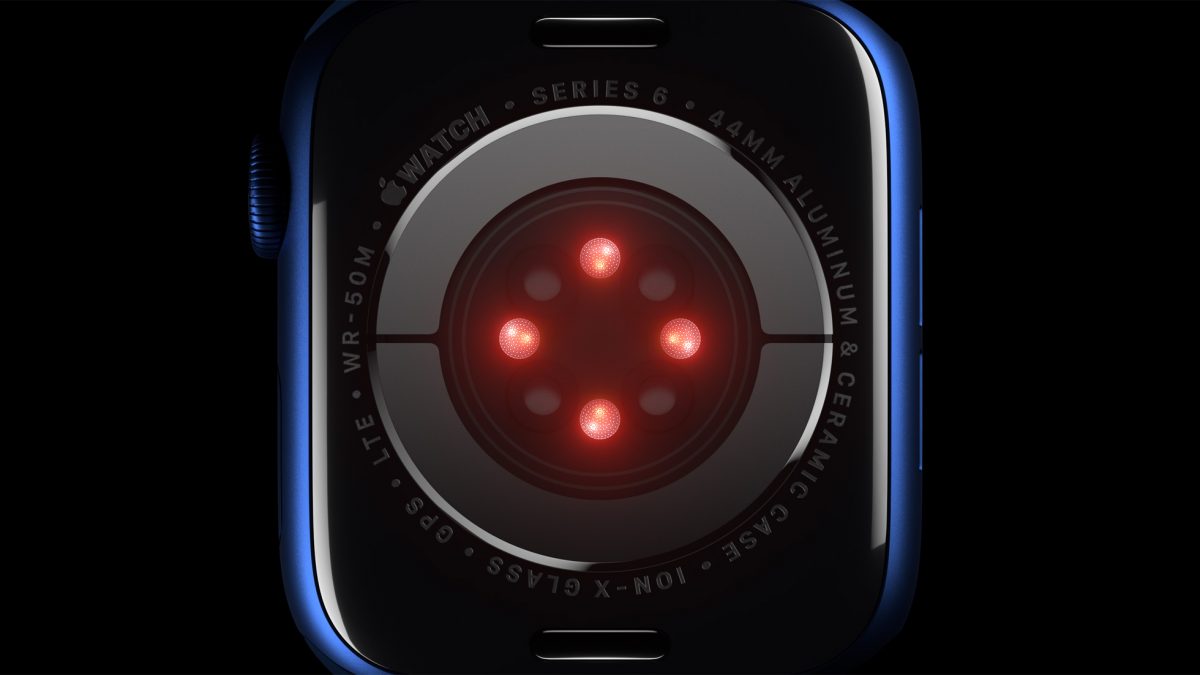
The dispute began in 2023 when the International Trade Commission determined that certain Apple Watch models infringed Masimo’s patents related to pulse oximetry technology. That ruling triggered an import ban, forcing Apple to briefly halt sales of the Apple Watch Series 9 and Apple Watch Ultra 2 in the United States. Apple responded by shipping devices with the blood oxygen feature disabled through software, while still including the necessary hardware.
In July, Apple announced it would reinstate the feature through a redesigned system that calculates measurements using the iPhone. Customs approved this workaround in August, which cleared the way for Apple to resume importing and selling fully enabled watches. Masimo objected, claiming the agency overstepped its authority and failed to provide due process when it allowed Apple’s new design to bypass the ban.
US Customs has asked the court to dismiss the lawsuit. The agency argues that Congress requires disputes over exclusion orders to follow a specific path: first to the ITC and then to the U.S. Court of Appeals for the Federal Circuit if necessary. Customs says Masimo cannot sidestep that process by filing directly in district court. In its motion, the agency cited legal precedent, including the Thunder Basin Coal Co. v. Reich case, to support the view that the court lacks jurisdiction.
If the motion is granted, Masimo would need to bring its objections back to the ITC, potentially delaying resolution and extending the uncertainty for Apple’s supply chain. Meanwhile, Apple continues to market its watches with the redesigned blood oxygen feature enabled, signaling confidence in its compliance with the ITC ruling.
The bigger question is not just who is right, but how long this tug-of-war can drag on before it loses steam. For Apple, every delay is a win, keeping its flagship wearable on shelves with one of its most marketable features intact. For Masimo, persistence signals a company unwilling to let its patents be sidelined by a giant. The longer this plays out, the more it highlights the strange tension between innovation and regulation: features that feel essential to consumers can still be trapped in years of legal back-and-forth.


