Poland’s competition regulator has launched a formal investigation into whether Apple’s App Tracking Transparency framework is limiting competition in the mobile advertising market. The probe focuses on whether the privacy system gives Apple an advantage over third party advertisers by restricting how other apps collect data for personalized ads. Introduced in 2021 with iOS 14.5, App Tracking Transparency requires apps to request permission before tracking users across apps and websites.
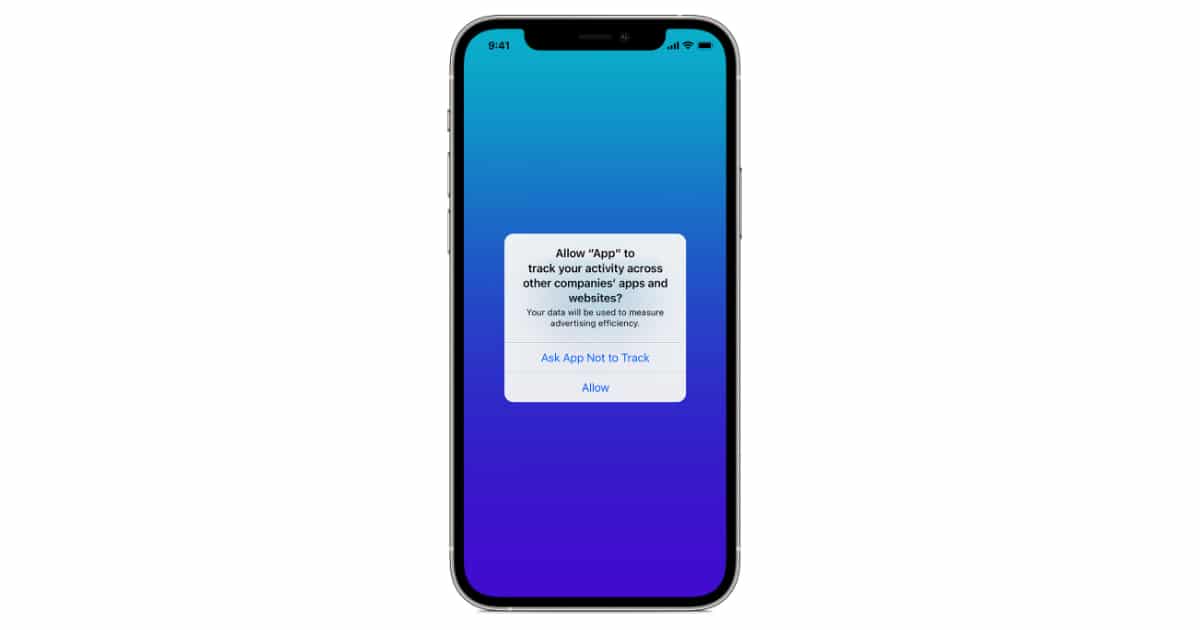
UOKiK, the Polish antitrust authority, says it suspects the feature may have misled users about the level of privacy it provides while strengthening Apple’s own position in digital advertising. The regulator calls this a potential abuse of dominance and says the outcome could lead to fines of up to ten percent of Apple’s annual turnover in Poland if violations are found.
The investigation lands at a time when privacy and competition policy are increasingly overlapping in Europe. Regulators in Germany, Italy, and Romania have opened similar cases, and France fined Apple €150 million earlier this year over related issues. Authorities are now questioning whether privacy tools designed to limit cross app tracking also give platform owners privileged access to first party data that rivals cannot match.
Apple continues to defend its approach, saying App Tracking Transparency was created to give users control over how companies track their activity. In a statement responding to the Polish case, Apple said it will work with UOKiK and warned that opponents of the policy are part of a data tracking industry unhappy about reduced access to user information.
At the center of the dispute is a broader question about how privacy rules should function in markets dominated by a few major platforms. Regulators want to determine whether Apple’s policy applies evenly to all developers or whether the company benefits from its control of iOS and its own advertising tools. That includes looking at how tracking prompts are presented, how data flows inside the ecosystem, and how much advantage Apple gains from default access to first party signals.
For developers and advertisers, the probe adds uncertainty to a market already adapting to stricter privacy norms. If Polish authorities find that App Tracking Transparency unfairly distorts competition, Apple could face remedies that go beyond fines and require changes to how tracking permissions appear or how data is shared across apps. These outcomes would reshape how advertising works on iOS and influence broader European debates about the connection between privacy design and market power.
(via Reuters)