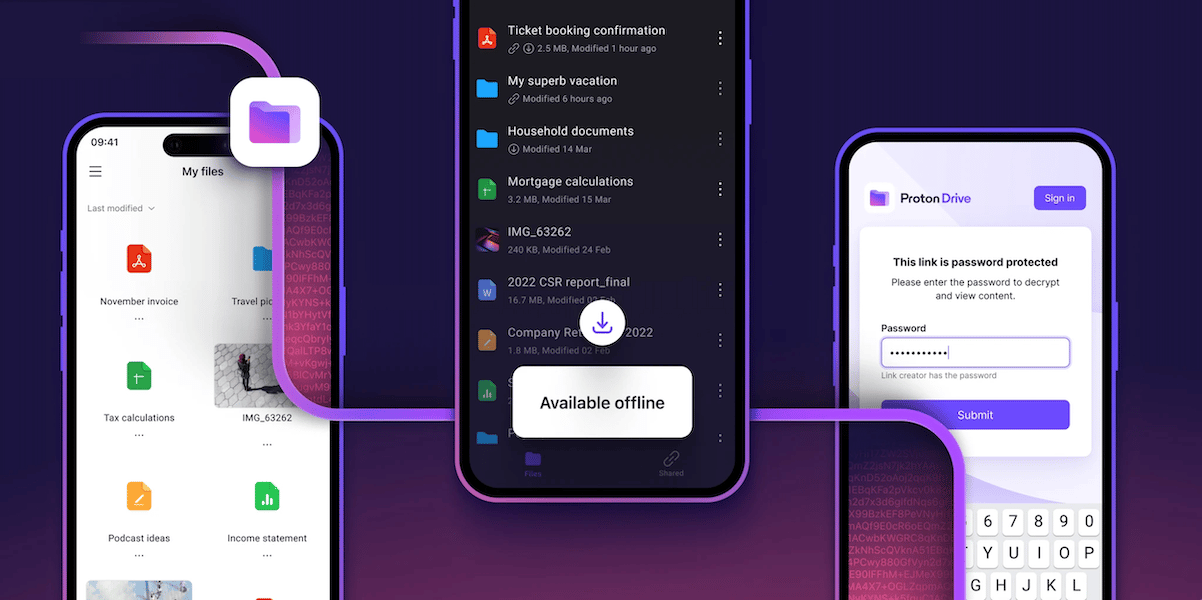
Privacy-focused software company Proton has filed a major antitrust lawsuit against Apple in California, accusing the tech giant of running an illegal monopoly over app distribution and payments on iOS. Proton, known for its secure services like Proton Mail, ProtonVPN, and Proton Drive, says Apple’s rules hurt developers and consumers while stifling innovation and limiting privacy-focused alternatives.
The 73-page complaint, filed in the Northern District of California, claims Apple forces all iOS developers to use its App Store for distribution and its own payment system, which charges up to 30% in fees. Proton argues that these requirements leave developers with no choice but to accept Apple’s terms if they want access to iPhone and iPad users. According to Proton, Apple’s commissions work like an “artificial tariff” on internet commerce, driving up costs for both developers and end users.
Proton’s lawsuit isn’t just about fees. It also points to Apple’s broader control over what apps can do and how they interact with customers. The company highlights examples where Apple blocked updates or limited features, such as Proton VPN’s attempt to inform users about bypassing censorship. Proton argues that Apple’s tight grip makes it easier for authoritarian regimes to demand app removals, citing incidents in Russia and China where VPNs and privacy tools vanished from the App Store.
The case adds to Apple’s growing list of legal battles worldwide. In the U.S., Apple is already facing a major antitrust lawsuit from the Department of Justice and multiple state attorneys general, accusing it of monopolizing the smartphone market. Meanwhile, in Europe, regulators fined Apple $1.94 billion for abusing its dominant position. Other investigations are ongoing in South Korea, the U.K., France, Germany, and India.
Proton’s filing joins an existing class-action lawsuit led by a group of Korean developers, but Proton also submitted its own complaint to ensure any future settlement doesn’t result in what it calls “cosmetic changes.” Instead, Proton is demanding deep structural reforms: allowing rival app stores, supporting alternative payment processors, and giving developers more control over how they communicate with users and manage subscriptions.
A central part of Proton’s argument is that Apple’s business model favors large companies relying on data collection and ad revenue — what Proton calls “surveillance capitalism” — while penalizing subscription-based and privacy-first services. Proton says that by forcing privacy-focused developers to pay high commissions on subscriptions, Apple effectively discourages business models that avoid selling user data.
Proton also highlights the lack of choice for U.S. users compared to Europe, where Apple recently opened iOS to alternative app stores under regulatory pressure. In the U.S., Apple continues to block rival app stores and heavily restrict alternative payment methods, even though a judge previously ordered it to let developers inform users about outside payment options. Proton’s complaint suggests Apple’s recent “steering” allowances are mostly symbolic and fail to create real competition.

The lawsuit describes Apple’s approach as a deliberate strategy to lock in users through ecosystem dependence on services like iCloud and default apps, making it costly and difficult for customers to switch. It also argues that Apple inconsistently applies its restrictions: for example, WeChat in China operates its own mini-programs, and macOS allows apps from multiple sources, proving that Apple’s strict iOS policies are a choice, not a necessity.
Proton is asking the court for an injunction to open iOS to competing app stores and payment platforms, as well as monetary damages that the company says it will donate to organizations supporting democracy and human rights through the Proton Foundation.
(via Proton)
