Apple Vision Pro cataract surgery is quickly becoming a real world use case for Apple’s spatial computing headset, with surgeons now using it in hundreds of procedures over the past year. What started as a single experimental operation has turned into a repeatable workflow in ophthalmology, showing where the device actually fits today.
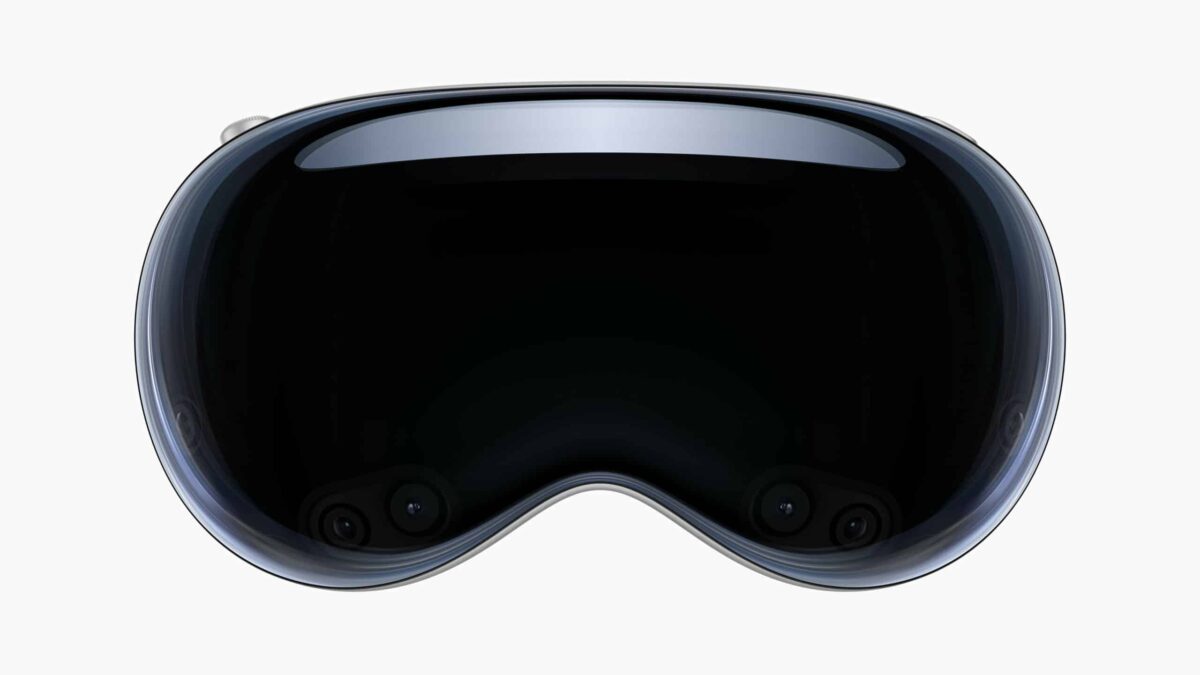
The shift matters because Vision Pro was never positioned as a mass market success at its current price. Instead, its high resolution displays and immersive interface are finding traction in specialized environments where precision and real time data matter more than cost or portability.
The first known cataract surgery using Apple Vision Pro was performed in October 2025 by Dr. Eric Rosenberg of SightMD. Since then, he has carried out hundreds of additional procedures using ScopeXR, a mixed reality platform he co developed for surgical use. The software connects the headset to 3D digital surgical microscopes and streams a live stereoscopic view directly into the surgeon’s field of vision.
“We are now able to bring the world’s best surgeon into any operating room, at any hour, from anywhere on the planet,” said Dr. Rosenberg. “From residents performing their first cases to surgeons facing unexpected complications, this technology democratizes access to expertise and that will save vision.”
This setup allows surgeons to see the operative area in detailed 3D while also accessing diagnostic overlays at the same time. Instead of shifting focus between screens, everything is layered into a single view, which can improve workflow and reduce physical strain during long procedures.
Another key advantage is remote collaboration. ScopeXR enables real time sharing of the surgical feed, meaning other specialists can join virtually and see exactly what the operating surgeon sees. This has implications for both training and high risk cases, where immediate expert input can make a difference.
Beyond cataract procedures, Apple Vision Pro has already been used in other medical settings including colonoscopies, shoulder arthroscopy, and spinal surgeries. Hospitals have also explored its use in patient education, helping individuals better understand complex procedures through immersive visualization.
There is also growing interest in using the headset for accessibility and communication. Research in late 2025 looked at how Vision Pro could support patients with spinal cord injuries or ALS, while Apple has continued exploring sensor based technologies that could extend into health monitoring.
Apple Vision Pro cataract surgery highlights a broader pattern. While consumer adoption remains limited, the device is steadily building relevance in enterprise and medical environments where its capabilities are easier to justify. With visionOS updates expected to be previewed at WWDC 2026, the software side will likely continue to shape how far these use cases can scale.





1 comment