Apple has tried and abandoned several Vision Pro follow-ups without settling on one it’s ready to ship. The company is now testing yet another headset, code-named N224, while pointing more of its wearable team toward smart glasses instead.
Bloomberg’s look at Apple’s headset roadmap makes clear the N224 project carries no guarantee of reaching customers. Apple previously scrapped N107, a headset meant to lean on a Mac or other external device, along with Vision Air (N100) and a cheaper, underpowered N109.
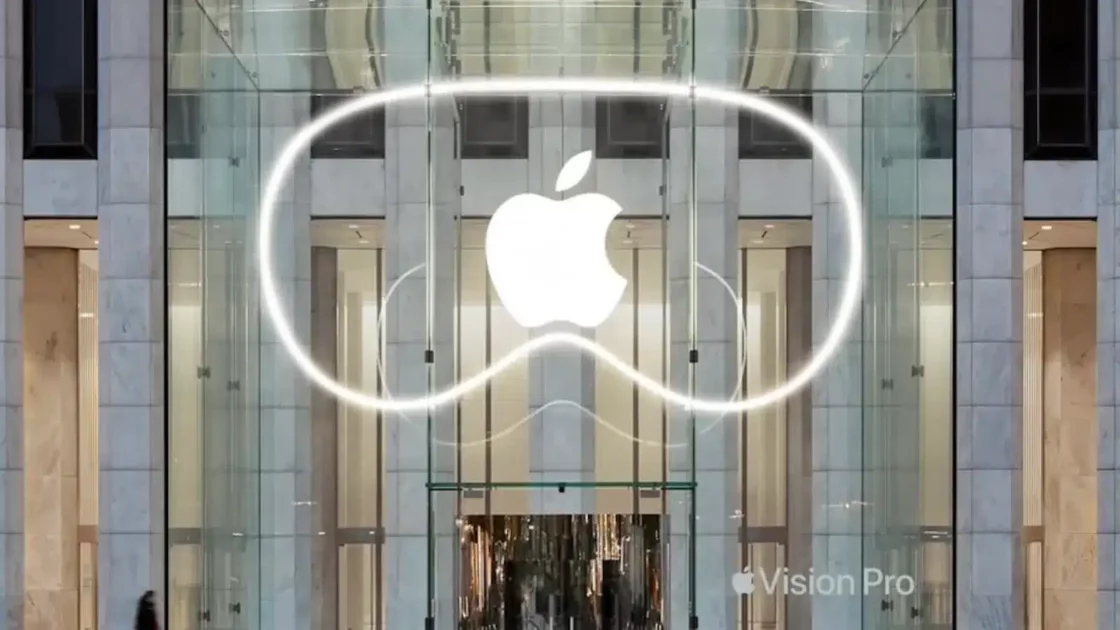
N224 Is Being Tested In About Four Different Forms
One N224 concept keeps the familiar egg-shaped Vision Pro silhouette but swaps in plastic, titanium and other metals to cut weight. Another moves the battery and processor into a standalone puck, an architecture close to what Meta just shipped in its own VR glasses.
The current Vision Pro weighs roughly 600 to 800 grams depending on configuration and headband, and its external battery hasn’t solved that problem since the main computing hardware still lives in the headset. Moving that hardware into a puck would take real weight off someone’s head, at the cost of a second device to carry.
Smart Glasses Have A Nearer-Term Launch Window Than N224
While N224 stays in testing, Apple’s smart glasses project is closer to shipping. The displayless glasses are built around cameras and AI, aimed at competing with Meta’s Ray-Ban glasses, with a target launch as early as the end of 2027.
Smart glasses can be worn like ordinary eyewear in a way Vision Pro never could, and Apple is reportedly also developing camera-equipped AirPods and a screenless fitness tracker, adding more wearable categories alongside the headset work.
Ternus Compared Vision Pro’s Stage To The Early PC Era After The iPhone Duo Launch
Apple’s Vision organization has changed leadership too, with Fletcher Rothkopf now reporting to Tom Marieb, a vice president of hardware engineering under chief hardware officer Johny Srouji, after Rothkopf’s predecessor, Paul Meade, left for OpenAI in June. Apple has also cut jobs across Siri integration, immersive video and gaming teams tied to Vision Pro.
Despite the cuts, CEO John Ternus has kept defending the category. Speaking after the iPhone Duo launch, he compared Vision Pro’s current stage to the early days of personal computers and said Apple would keep looking for more compelling uses for the technology.
N224 remains in development with no release date attached, while Apple’s displayless smart glasses already have a rough end-of-2027 target.
Our Take
Ternus comparing Vision Pro to the early PC era is a useful line, because it shows how Apple wants this read, not as a product that failed, but as a category still finding its shape. That comparison holds up well for the Mac in 1984, though a headset four years and three canceled successors into its life is a tougher case to make. Smart glasses landing a firm-ish 2027 target while N224 still has none says more about where Apple’s confidence sits right now than any quote does.




2 comments