Apple is preparing a major upgrade to its streaming lineup, with the 2025 Apple TV expected to launch later this year. According to Bloomberg’s Mark Gurman and multiple supply chain reports, the next-generation model will feature Apple’s A17 Pro chip, the in-house N1 wireless chip with Wi-Fi 7 support, and native Apple Intelligence integration. Nearly three years since the last hardware refresh, this version could make the Apple TV more capable, connected, and affordable than ever.
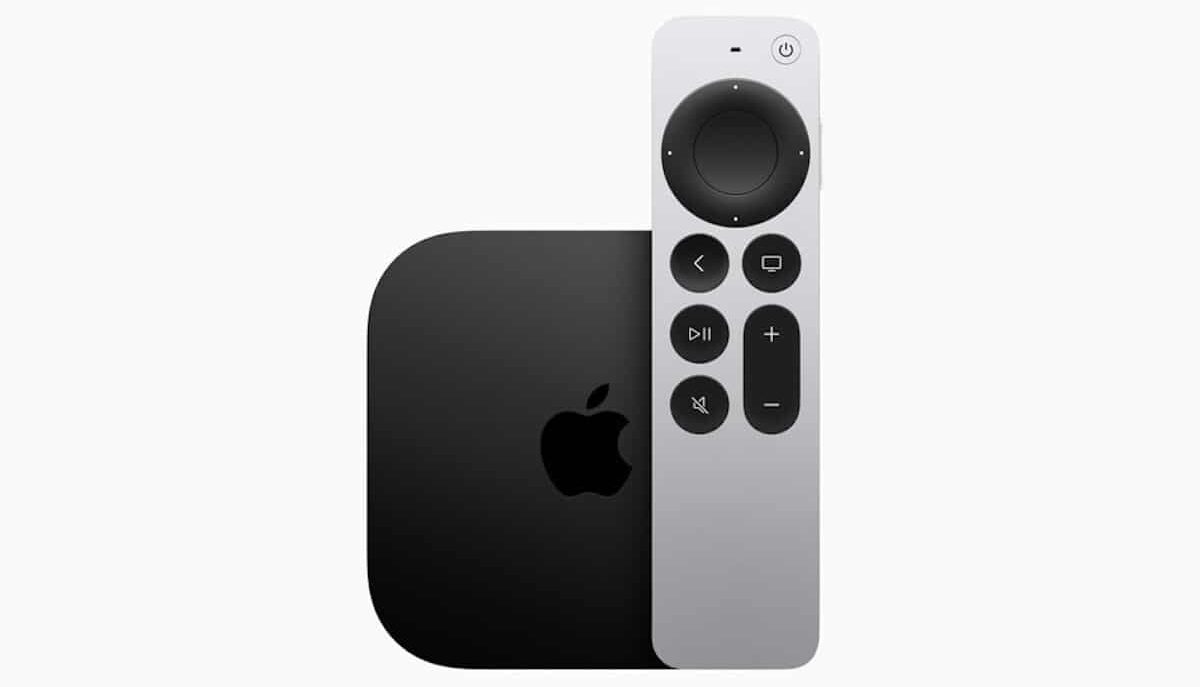
The 2025 Apple TV is expected to maintain the same compact design introduced in 2022, but with significant internal changes. Apple will reportedly replace Broadcom components with its own networking hardware, moving to the N1 chip that combines Wi-Fi and Bluetooth into one efficient system. This chip supports Wi-Fi 7 and Bluetooth 6, enabling faster data transfers, improved stability, and lower latency. Wi-Fi 7 transmits across the 2.4 GHz, 5 GHz, and 6 GHz bands at once, offering up to four times more bandwidth than Wi-Fi 6 and supporting smoother 4K and 8K streaming on compatible routers.
The biggest performance leap comes from the new A17 Pro chip, which replaces the A15 Bionic used in the current Apple TV 4K. Built on a 3-nanometer process, the A17 Pro delivers faster CPU and GPU speeds, better thermal efficiency, and hardware-accelerated ray tracing for realistic lighting and reflections in games. The chip’s 6-core GPU and 16-core Neural Engine also make the 2025 Apple TV ready for Apple Intelligence, giving Siri a smarter, more conversational edge on tvOS 26.

Apple Intelligence will introduce on-device AI features that personalize recommendations, summarize shows, and provide improved context awareness for Siri. Users could ask Siri to “play something upbeat” or “continue the last show I watched with Eman,” with the assistant learning preferences over time. On-device processing will keep data private while making interactions faster and more natural.
Reports also suggest Apple has tested versions of the Apple TV with a built-in camera for FaceTime and gesture control. While the current model supports FaceTime through a connected iPhone or iPad, integrating a camera directly into the device would simplify calls and possibly enable motion-based navigation. Gurman noted that Apple had “discussed” these features internally, but it’s unclear whether they will debut this year or in a later version designed as a hybrid Apple TV, HomePod, and smart display.
In terms of design, the 2025 Apple TV will likely retain the same black matte chassis, but a smaller footprint is possible. Two models are expected: a base version with Wi-Fi 7 and a higher-end variant that adds Ethernet and Thread support for smart home integration. Apple continues to position the Apple TV as a home hub for Matter accessories, controlling lights, thermostats, and cameras through the Home app on iOS and tvOS.
Pricing could be the biggest surprise. Analyst Ming-Chi Kuo has said the “sweet spot” for Apple TV is under $100, and Apple is reportedly exploring ways to make the box more accessible. If the 2022 model stays on sale as a lower-cost option, the new one could take its place at $129 or higher, depending on configuration. This strategy would align with Apple’s goal of expanding its ecosystem while appealing to first-time buyers who might otherwise choose a cheaper Roku or Fire TV.
Based on current timelines, the 2025 Apple TV is expected to launch in the fall, most likely in October or November. Apple traditionally unveils new streaming hardware late in the year, as it did with the 3rd-generation Apple TV 4K in October 2022. This timing also aligns with the rumored updates to the HomePod lineup and other smart home devices that will rely on the same N1 chip.


