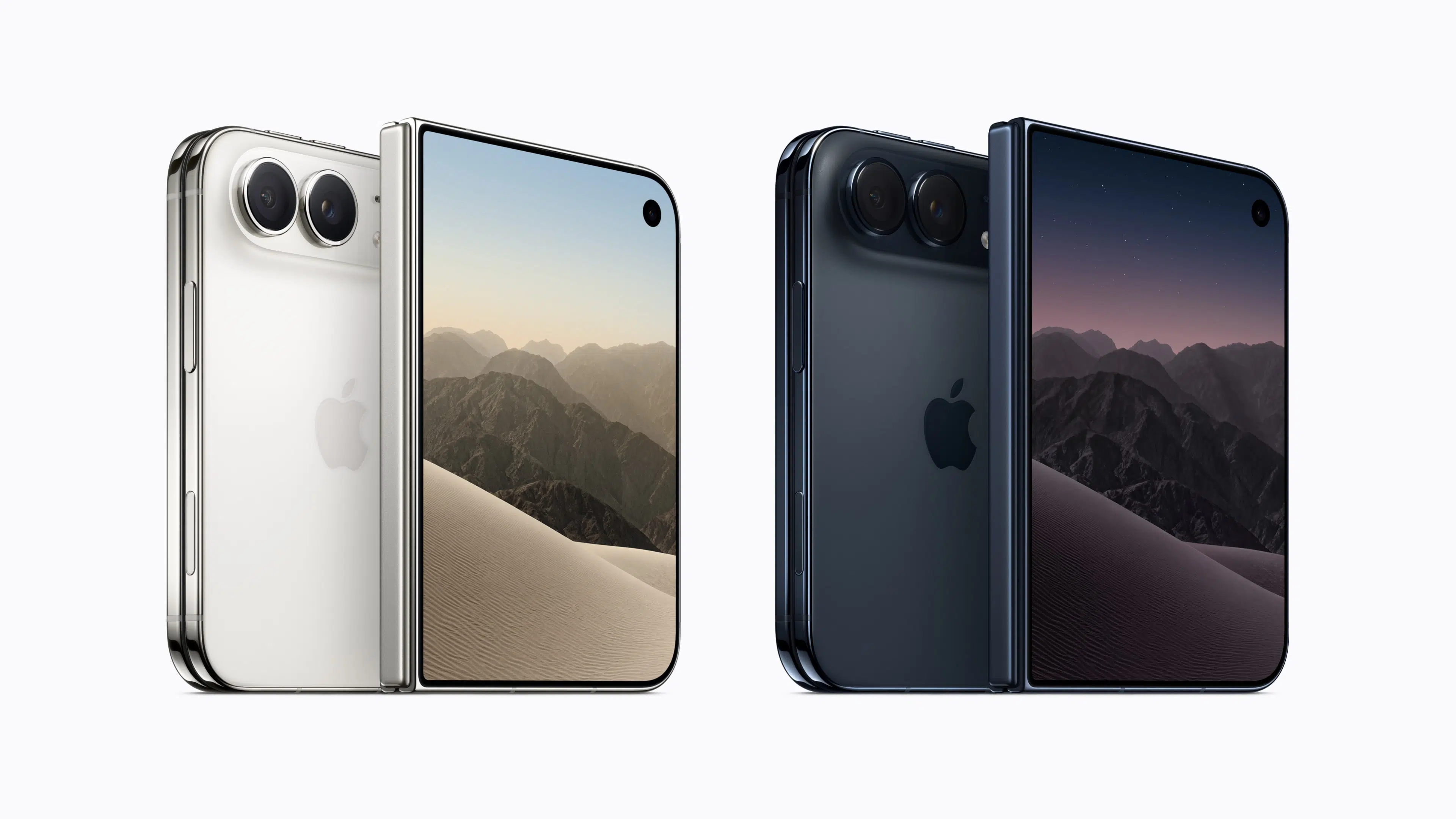
Apple introduced the iPhone Duo alongside the iPhone 18 Pro and iPhone 18 Pro Max on September 9, 2026, and the foldable finally gives the company a second phone built around a single, high-resolution main camera philosophy instead of a traditional triple-lens Pro system. That puts it in an interesting position next to the iPhone Air, which launched a year earlier as the thinnest iPhone Apple has ever shipped and made the same bet on one dominant sensor doing most of the work. Both phones lean on the same 48MP Fusion Main camera concept, so it is worth breaking down exactly where the hardware lines up and where Apple actually changed things for its first foldable.
TL;DR
- The iPhone Duo and the iPhone Air both use a 48MP Fusion Main camera with a 26mm focal length and an f/1.6 aperture, and both crop that same sensor to produce a 12MP optical-quality 2x Telephoto image at 52mm.
- The iPhone Duo adds a second 48MP Fusion Ultra Wide camera at 13mm and f/2.2 with a 120 degree field of view, something the iPhone Air does not have at all.
- That extra lens gives the iPhone Duo a 4x optical-quality zoom range, while the iPhone Air is limited to the 2x crop and then digital zoom from there.
- The iPhone Duo runs the Apple A20 Pro chip against the iPhone Air’s Apple A19 Pro chip, which matters for image processing speed and computational photography features like Smart HDR 5 and the Photonic Engine.
- The iPhone Duo’s Fusion Main camera can record 4K Dolby Vision video at up to 120 frames per second, while the iPhone Air tops out at 60 frames per second in 4K Dolby Vision.
The Main Sensor Is Basically the Same Piece of Hardware
If you compare the core specs of the 48MP Fusion Main camera on both phones, you will not find much daylight between them. Apple lists the iPhone Air’s main camera as a 48MP sensor with a 26mm focal length, an f/1.6 aperture, sensor-shift optical image stabilization, and support for super-high-resolution photos at both 24MP and 48MP. The iPhone Duo uses the exact same 26mm, f/1.6, sensor-shift stabilized setup, and it supports the same 24MP and 48MP output. Apple even carries over the built-in 2x Telephoto trick on both devices, where the phone crops into the center of that 48MP sensor to deliver a 12MP image at an effective 52mm focal length and f/1.6 aperture, still with sensor-shift stabilization doing the work.
The one real difference at the sensor level is how each phone handles autofocus. Apple describes the iPhone Air’s Fusion Main camera as using “100% Focus Pixels,” while the iPhone Duo’s version is listed with “Hybrid Focus Pixels.” That is a newer autofocus architecture that Apple also uses on the iPhone 18 Pro line, and it typically brings faster, more consistent focus tracking in trickier lighting or with moving subjects. It is a meaningful upgrade under the hood even though the megapixel count, aperture, and focal length numbers look identical on paper.
Where the iPhone Duo Actually Pulls Ahead
The bigger separation between these two phones has nothing to do with the main lens itself and everything to do with what sits next to it. The iPhone Air ships with a single rear camera, full stop. There is no ultra wide lens on the phone at all, which means every wide-angle shot, group photo in a tight space, or sweeping landscape has to be handled by the same 26mm lens the phone uses for everything else.
The iPhone Duo changes that by pairing the Fusion Main camera with a second 48MP Fusion Ultra Wide camera, using a 13mm focal length, an f/2.2 aperture, and a 120 degree field of view. That lens also supports the same super-high-resolution output at 24MP and 48MP, and it uses the newer Hybrid Focus Pixels autofocus system as well. With both lenses working together, Apple is able to offer a genuine 4x optical-quality zoom range on the iPhone Duo, stretching from the ultra wide end all the way through the 2x Telephoto crop, rather than the single 2x option the iPhone Air is stuck with before digital zoom takes over.
Apple’s chip choice widens that gap further. The iPhone Duo runs on the Apple A20 Pro chip, the same silicon inside the iPhone 18 Pro and iPhone 18 Pro Max, while the iPhone Air is still running last year’s Apple A19 Pro chip. Camera image quality on modern iPhones depends heavily on computational photography running through the Neural Engine, from Smart HDR 5 and Deep Fusion to Night mode and portrait processing, so the newer chip in the iPhone Duo should translate into faster shot-to-shot processing and better results in the kind of mixed lighting situations where computational photography does the heaviest lifting.
iPhone Duo vs iPhone Air Main Camera Specs
| Spec | iPhone Duo | iPhone Air |
|---|---|---|
| Rear camera system | Dual Fusion (Main + Ultra Wide) | Single Fusion Main only |
| Main camera resolution | 48MP | 48MP |
| Main camera focal length | 26mm | 26mm |
| Main camera aperture | f/1.6 | f/1.6 |
| Main camera stabilization | Sensor-shift optical image stabilization | Sensor-shift optical image stabilization |
| Autofocus system | Hybrid Focus Pixels | 100% Focus Pixels |
| Built-in 2x Telephoto crop | 12MP, 52mm, f/1.6 | 12MP, 52mm, f/1.6 |
| Ultra wide camera | 48MP, 13mm, f/2.2, 120 degree field of view | Not available |
| Optical-quality zoom range | 4x (ultra wide to 2x Telephoto) | 2x only |
| Digital zoom | Up to 10x | Up to 10x |
| Chip | Apple A20 Pro | Apple A19 Pro |
| Max 4K video frame rate (Fusion Main) | Up to 120 fps Dolby Vision | Up to 60 fps Dolby Vision |
Anyone who mostly shoots close-up subjects, portraits, or everyday snapshots at a standard focal length will not notice much of a real-world difference between these two main cameras, since the hardware doing that job is nearly identical between the iPhone Duo and the iPhone Air. Where the choice matters is the moment you need to go wider or need Apple’s more advanced autofocus behavior for a moving subject. Travel photography, architecture, group shots in cramped rooms, and any kind of landscape work all benefit enormously from having an ultra wide lens available, and the iPhone Air simply does not give you that option no matter how you frame the shot.
The iPhone Duo also makes more sense for anyone serious about video, since jumping from 60 frames per second to 120 frames per second in 4K Dolby Vision opens up smoother slow-motion footage and more flexibility when editing later. Combine that with the newer Apple A20 Pro chip and the added Hybrid Focus Pixels autofocus, and the iPhone Duo’s camera system reads less like a variant of the iPhone Air’s setup and more like the iPhone Air’s main sensor upgraded with an extra lens and a full processing generation ahead of it.


1 comment